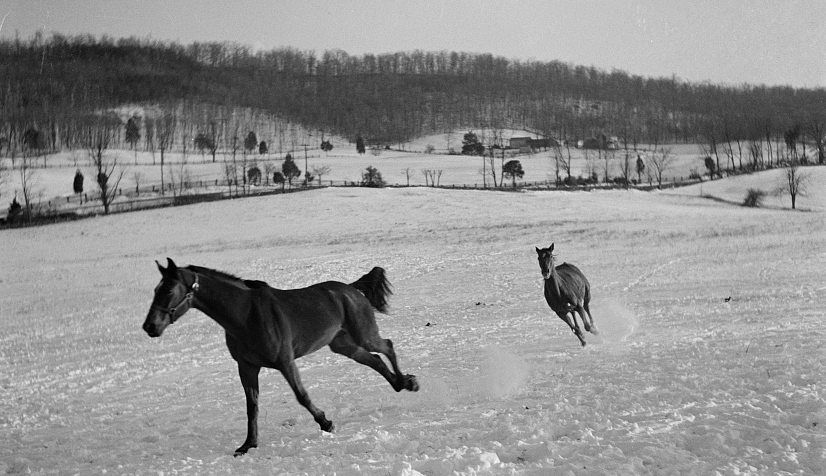
horse country in Virginia has been reduced as suburbs have expanded - but Fauquier County still remains premier territory
Source: Library of Congress, Farm near Warrenton, Virginia (1940)
horse country in Virginia has been reduced as suburbs have expanded - but Fauquier County still remains premier territory
Source: Library of Congress, Farm near Warrenton, Virginia (1940)
Horses evolved in North America about 55 million years ago, after the dinosaurs were eliminated by the impact of a large meteor and the Cretaceous Period ended. They were originally forest dwellers, but adapted to grasslands as they developed. About 10 million years ago, there were multiple species of horses in North America, as well as versions of a camel and a hornless rhinoceros.
The modern species, Equus caballus, died out in North America about 11,000 years ago but thrived on the other side of the Bering Land Bridge. Humans in the lower Volga-Don region, on the Pontic-Caspian Steppe stretching between modern Bulgaria to southern Russia, domesticated horses and began to ride on their backs about 4,000 years ago.

humans in western Asia began to ride horses over 4,000 years ago, before agriculture was widely adopted by Native Americans in Virginia
Source: Alex Wigan, Horse rider silhouette at sunset
The first horse to arrive in Virginia in modern times may have arrived with an exploratory party from the Hernando de Soto expedition. He brought horses to Florida when he landed in 1539. They came north with the Spanish explorers when the expedition traveled through North Carolina/Tennessee a year later. However, it is likely that any escaped horses would have been killed and probably eaten by the Native Americans before reaching Virginia.
Spanish shipwrecks could have deposited the first horses on barrier islands along the Atlantic Coast. According to local tradition, the horses on Assateague Island are descendants of such a shipwreck. That story adds more romance and enhances the tourist appeal for the annual Pony Swim at Chincoteague, compared to the probability that horses of early colonists escaped and established wild herds.
The first horses brought from England arrived in 1609. Those unfortunate animals ended up as food during the Starving Time winter of 1609-10.1
Horses were originally valued in Virginia for their ability to carry a load (including a passenger). Few were used to haul a wagon, since roads were so poor. Mules were preferred to pull a plow. George Washington arranged to import male donkeys (jacks) from Spain in order to breed them with mares to create better mules.
Wild horses were rounded up for taming, though some were also used for food. A visitor to Virginia in 1702, Frantz Ludwig Michel, reported that horses were "hardly used for anything else but riding," and it was rare to meet someone on a road who was walking rather than riding on horseback. In addition:2
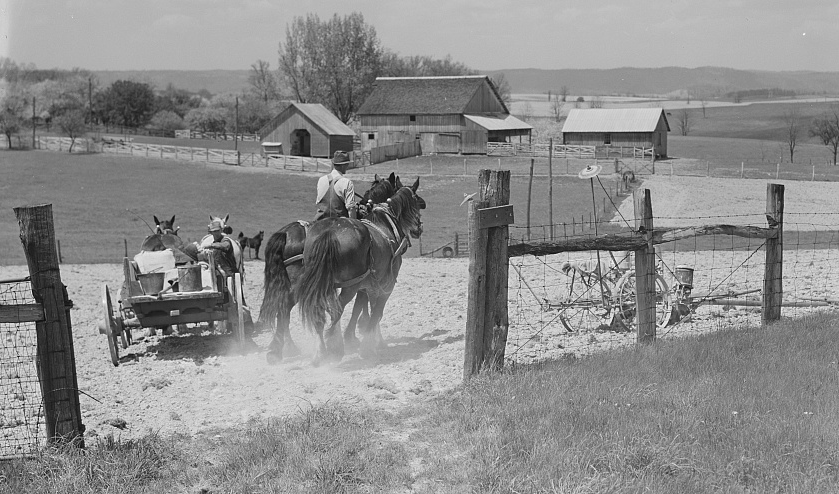
before World War II, horses were more common than tractors on Virginia farms
Source: Library of Congress, Spring planting. Shenandoah Valley, Virginia (by Marion Post Wolcott, May 1940)
Horses were essential for cavalry and moving supplies during the Revolutionary War and the Civil War. When Lord Cornwallis invaded Virginia in 1781, General Lafayette struggled to gain intelligence on his movements. The American forces lacked cavalry to scout how the British were marching, or to deter their raids. Lafayette had to keep his troops at a distance from Cornwallis and let him move freely across the state, to avoid being surprised and eliminated by a swift British attack led by Col. Tarleton's cavalry.
Horses as well as mules hauled ammunition wagons and cannons during the Civil War. To capture cannon batteries, soldiers were trained to kill the horses. That prevented relocating cannon to a better firing position. If battle lines moved, the other side was forced to abandon the cannon because they could not haul them away. During the Civil War, an estimated 1.5 million horses and mules were killed - 50% of the total used during the war. The average horse's life expectancy was just six months.
The military established a remount station near Front Royal in 1911, but during World War I it became clear that petroleum-based motorized equipment had far surpassed the capacity of horses. Still, 8,000,000 horses died in World War I.
An anecdote told about Abraham Lincoln reveals the significance of horses in warfare. After a Confederate raid captured a Union general while sleeping in the town of Fairfax, Lincoln expressed more regret over the capture of Union horses and supposedly said:3
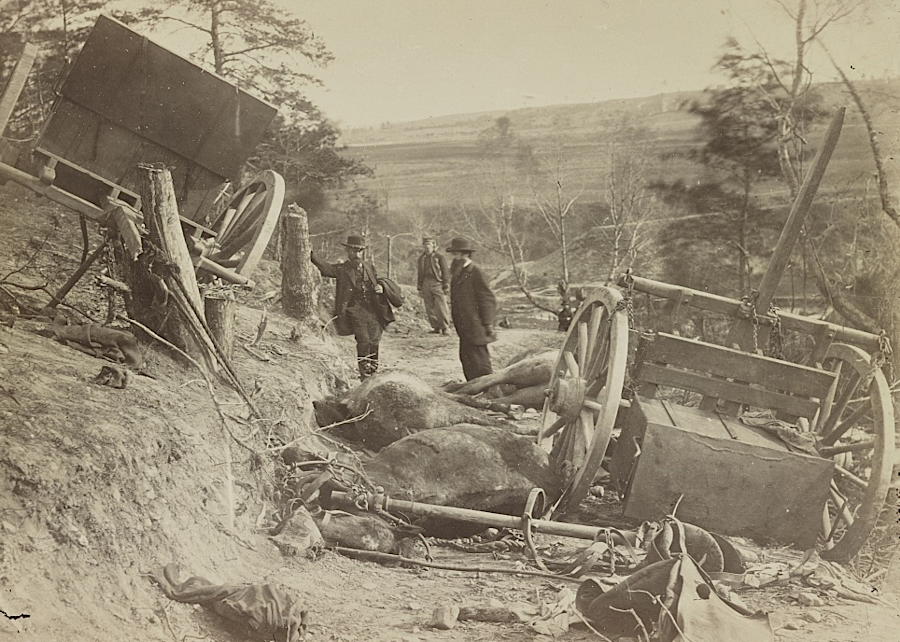
wagons and cannons could be taken out of action if horses could no longer move the equipment
Source: Library of Congress, A shattered caisson, Fredericksburg, Va (by Andrew J. Russell, 1863)
Today, a few Virginia horses are work animals (including police patrol and hauling carriages at Williamsburg), and about 5% are trained for professional horse races. Half of the horses in Virginia are recreation vehicles, ridden for fun rather than used on farms as hay-burning tractors. The remainder are breeding stock, or show horses entered into competitions.4
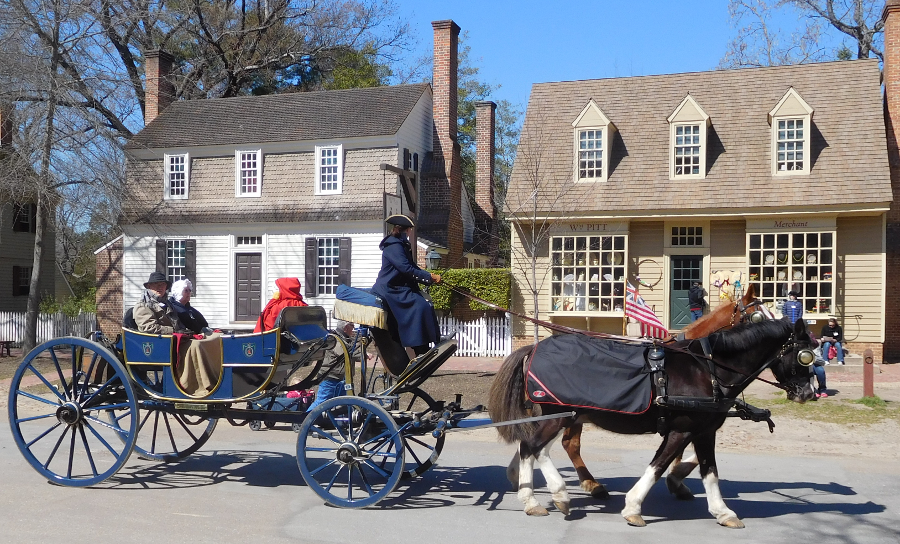
Colonial Williamsburg demonstrates how horses were fundamental to society in the 1700's
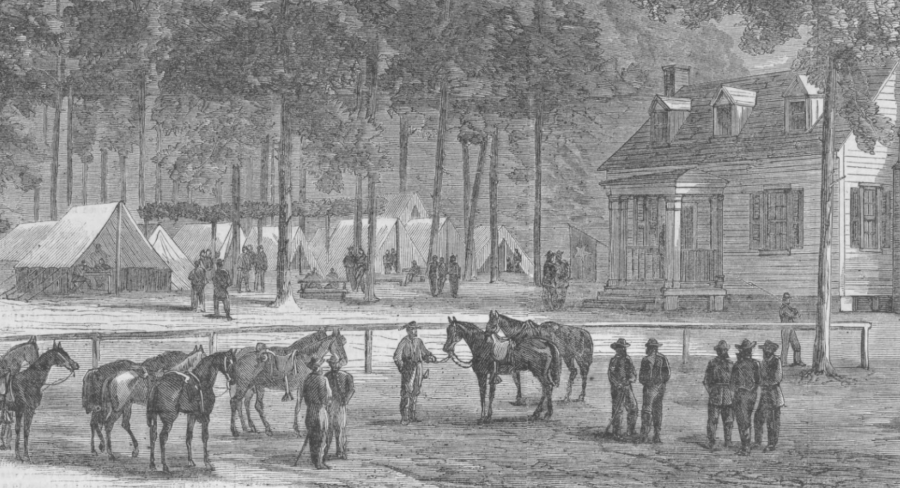
during the Civil War, the parking lot outside a general's headquarters was filled with idling horses
Source: HathiTrust, Harper's Weekly, Army of the James - General Butler's Headquarters (November 12, 1864, p.732)
Virginia has a long tradition of famous racehorses. In 1730, Samuel Gist of Hanover County imported an Arabian stallion named Bulle Rock, starting a pattern of Virginia gentry upgrading the quality of their horses.
In 1798, John Hoomes of Caroline County imported a stallion named Diomed from England. Diomed was the sire of Sir Archy, and Lexington two generations later. Their bloodline is recognized as key to the development of the Thoroughbred breed in North America.5
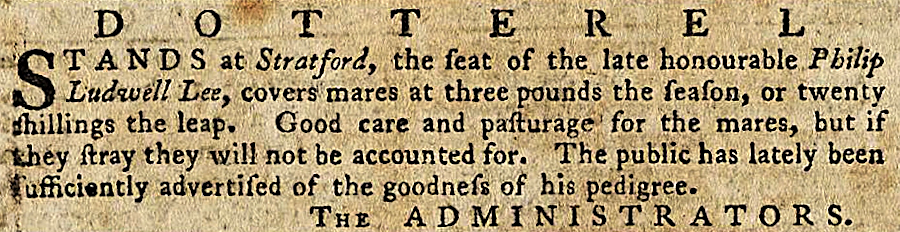
breeding horses has been a Virginia tradition for centuries
Source: Virginia Chronicle, Virginia Gazette (June 15, 1775, p.3)
The 2006 Equine Survey by the US Department of Agriculture counted 215,000 horses, ponies, and mules in Virginia, an increase of over 25% since 2001. The two counties with the largest horse populations were Loudoun and Fauquier. The most common breeds were Quarter Horses (49,000), followed by Thoroughbreds (30,900). State officials calculated that each horse cost $3,642 per year to feed and maintain, so horses generated $783 million each year in business.6
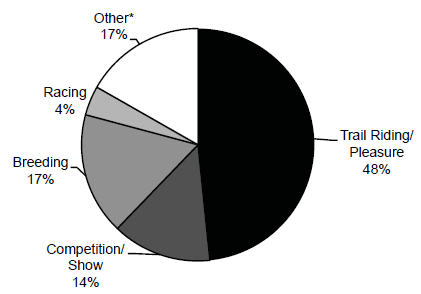
a 2006 study showed that most horses in Virginia were kept for recreational use
Source: Weldon Cooper Center for Public Service, "The Economic Impact Of The Horse Industry In Virginia," Virginia Horses by Primary Use, 2006 (Figure 1.3)
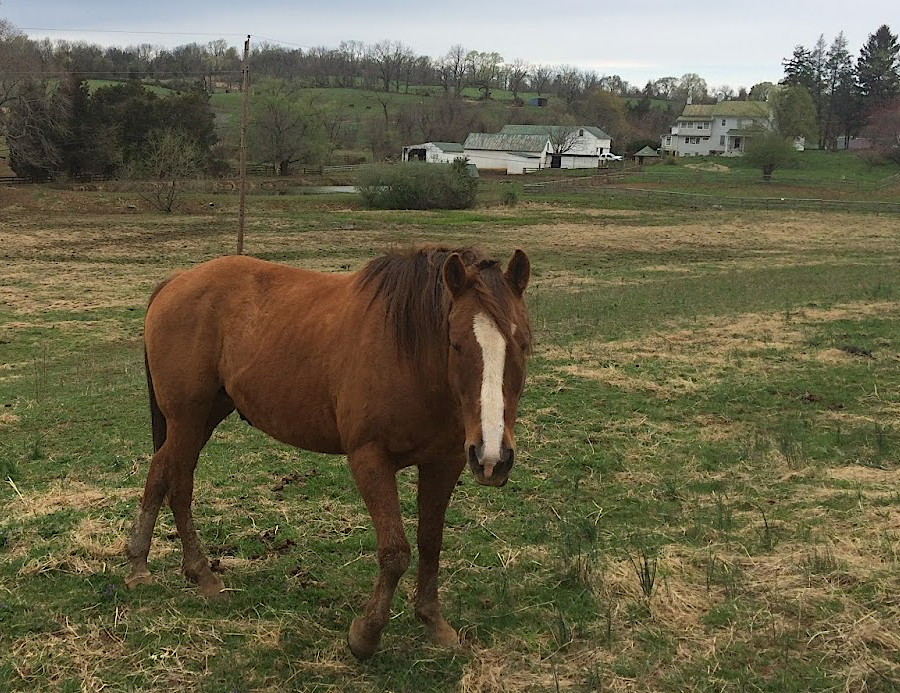
horses and pastures are a common feature in western Loudoun County
In contrast, the 2012 Census of Agriculture identified only 86,840 horse/ponies on 12,058 separate farms, a number in-between the 2007 survey total (90,363 horses) and the 2002 survey (81,344 horses). Sixteen other states had more horses than Virginia in 2012. However, the 2012 survey counted only horses on farms selling $1,000 or more annually in agricultural products.
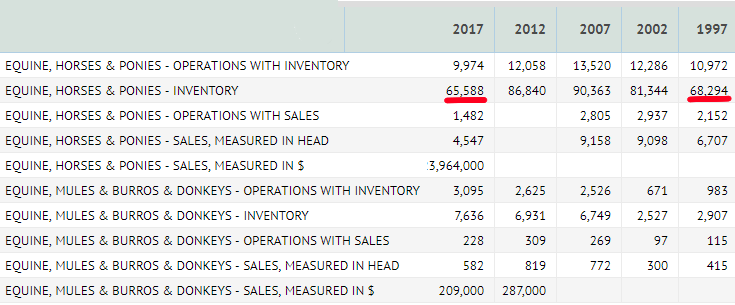
"the 2017 Census of Agriculture identified almost the same number of horses in Virginia in 2017 as in 1997
Source: National Agricultural Statistics Service, Chapter 2, Table 18 - Equine - Inventory and Sales (2017)
Many horses in Virginia are maintained in suburban or rural pastures by individuals on properties not classified as "official" farms, so the agriculture censuses were not designed to identify the majority of horses in Virginia.7
In 2017, the Census of Agriculture listed 65,588 horses and ponies on 9,974 farms within Virginia. Over 75% were on farms with 1-24 horses; most horse owners had a few animals, not a herd. Nearly 1,500 farm operations reported selling horses, so the business of horse trading was active.8
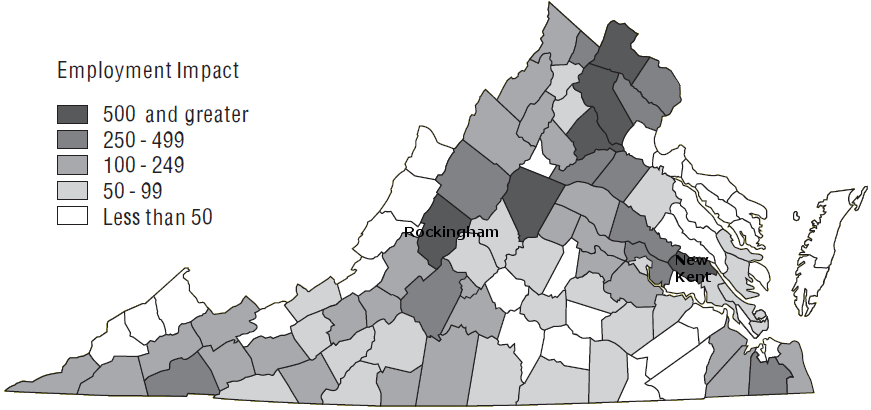
economic impact of the horse industry is concentrated in the Piedmont region, Rockingham County (home of the Virginia Horse Center) and New Kent County (home of Colonial Downs racetrack) - but the economic impacts of recreational horse ownership clearly extends across the state, beyond the farms counted in the Census of Agriculture every 5 years
Source: Weldon Cooper Center for Public Service, "The Economic Impact Of The Horse Industry In Virginia," Total Employment Impact of Virginia Horse Industry by Locality, 2010 (Figure 4.3)
There are horses throughout Virginia, but three places have a special focus - Rockbridge, Loudoun, and New Kent counties. The Virginia Horse Center in Rockbridge County attracts thousands of visitors for a wide range of horse shows. That center and the Morven Park Equestrian Center in Loudoun County both suggested they could host the equestrian events if the 2024 Olympics were awarded to Washington, DC. Virginia's primary racetrack is Colonial Downs, located in New Kent County.
The Virginia Horse Center opened in 1987 in Rockbridge County, just north of the City of Lexington. The state funded its construction in order to provide an economic boost to the Shenandoah Valley. Northern Virginia already had the privately-owned Morven Park Equestrian Center, so the state-funded horse center was located near Lexington.
The facility was designed to host events that would attract visitors and support the equine sector of the state's agricultural economy. Capital improvements were funded by the state, while private donors and income from facility rentals funded operations and maintenance. When resources were thin, maintenance was deferred.
In 2007, the state stopped funding the debt payments and transferred ownership to the Virginia Horse Center Foundation. That non-government, non-profit organization obtained a loan from the US Department of Agriculture to purchase the facility. By 2014, the loan was over $11 million, and both Rockbridge County and the City of Lexington raised taxes on local hotels by 1% to help pay it off.9
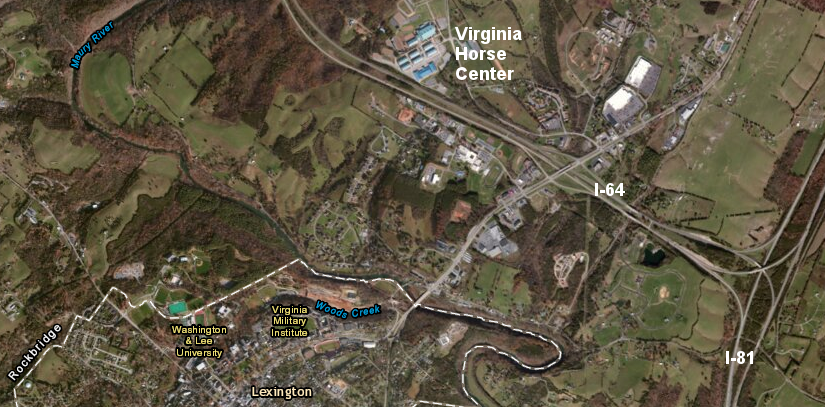
the Virginia Horse Center is accessible from I-64 and I-81, making it an attractive location for horse shows on the East Coast
Source: ESRI, ArcGIS Online
Racing horses have been raised throughout the state, but Secretariat is the most famous racehorse from Virginia. He was born March 30, 1970 at Meadow Farm near Doswell in Caroline County, which is now the site of the State Fair of Virginia.
In 1973, Secretariat won the Triple Crown, a year after his stablemate Riva Ridge had won the Kentucky Derby and the Belmont Stakes but failed to win the Preakness. That stable has a heritage that dates back to the nearby breeding farm, Bullfield, that was established by Thomas Doswell in 1824. Secretariat, who had an especially large heart (his owner called it his "power pack"), can trace his heritage back to Planet, a famous Thoroughbred born at Bullfield in 1855.10
The stables on the Fall Line in Caroline County rely upon grass with a composition different from grass that grows in the limestone soils of Kentucky. When Meadow Stable decided to base one of its top stallions at Claiborne Farm in Kentucky for stud purposes, the horse provided an "interview" to a newspapers saying:11
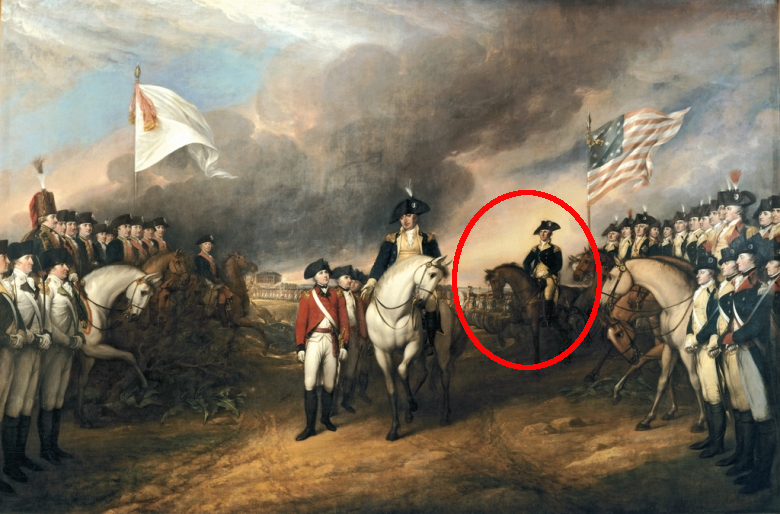
at Yorktown, George Washington road a horse called Nelson, which was a gift from Virginia Gov. Thomas Nelson Jr.
Source: Architect of the Capitol, Surrender of Lord Cornwallis
Since the mid-1900's, Thoroughbred breeding has been concentrated in the Northern Piedmont, especially Fauquier, Loudoun, Warren, and Clarke counties. Rockingham County has a cluster of horse-related jobs due to the Virginia Horse Center located next to Lexington, and New Kent County benefits from the Colonial Downs horse track.
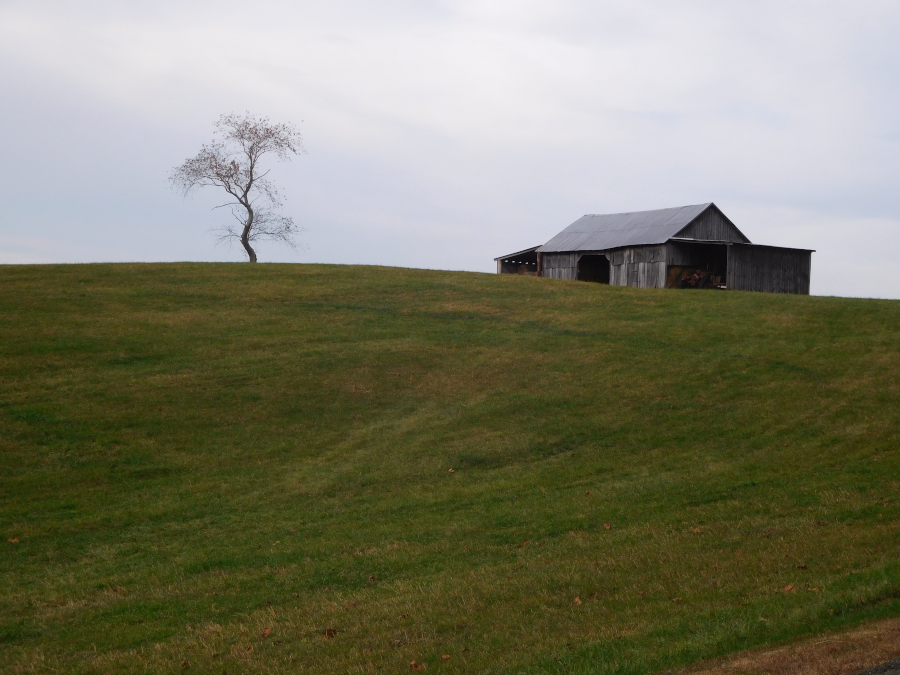
northern Fauquier County is filled with high-value estates with pastures for horses
Though Triple Crown winner Secretariat was born in Caroline County and Virginia's thoroughbred race track is in New Kent County, a 2012 agricultural survey revealed that six of the top ten counties with the most horses were located in the Piedmont region, stretching from the Leesburg area on the Potomac River to the Lynchburg area on the James River.12
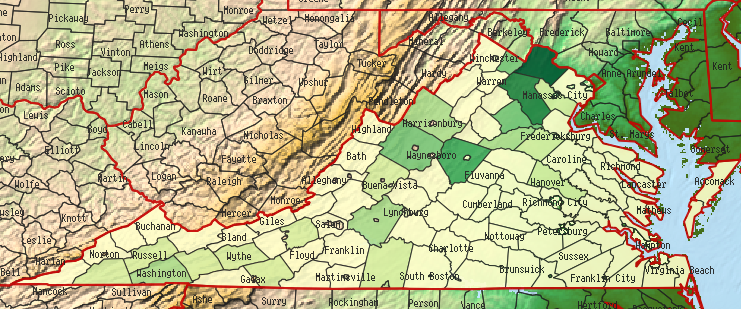
horse ownership on farms is concentrated in counties next to the Blue Ridge
Source: 2012 National Agricultural Statistical Survey, Equine, Horses & Ponies, Owned - Inventory
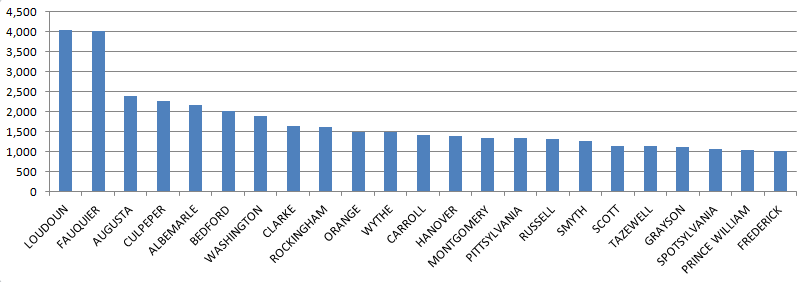
two counties had the most horses on farms in 2012 - Loudoun and Fauquier
Source: 2012 National Agricultural Statistical Survey, Equine, Horses & Ponies, Owned - Inventory
One reason for the predominance of horses in Northern Virginia was the creation of the United States Army Remount Service near Front Royal in 1911. It provided an East Coast resource for US Army cavalry mounts, comparable to other facilities located in Montana and Oklahoma. Front Royal was chosen because the 5,000 acres in the Shenandoah Valley offered grazing land, with easy connections to a railroad that could carry horses to military bases near Washington DC and elsewhere on the East Coast.
The artillery unit based at Fort Myer in Arlington County relied upon the Front Royal depot. Today, the US Army maintains stables there and provides horses for special events in Washington DC. Those horses pull caissons for funerals at Arlington National Cemetery, including the burial for President Kennedy in 1963.
The Caisson Platoon was temporarily deactivated in 2023 because the horses were not receiving adequate care; they needed more room for the work-train-rest cycle. The US Army revised policies and procedures to implement a "horse-first philosophy." That included expanding the permanent stalls at Joint Base Myer-Henderson Hall, replacing the wooden saddles, reducing the caisson's weight, and moving temporarily from pastures at Fort Belvoir to the NOVA Equestrian Center in Loudoun County. Caisson burial services at Arlington National Cemetery resumed in 2025.


interim stables built at Joint Base Myer-Henderson Hall in 2025 allowed renewal of caisson burial services at Arlington National Cemetery
Source: US Army Corps of Engineers, Mission First: U.S. Army Corps of Engineers delivers Old Guard Interim Stables less than one year after request
In 2026 the US Army planned to move the Caisson Detachment from the NOVA Equestrian Center at Aldie. It purchased the 149-acre Middleburg Training Center, also in Loudoun County. The 100 horses at the facility, originally started by philanthropist Paul Mellon in 1956, had to move by the end of October. The Military Mounted Battalion was expected to be operational there by the Summer of 2027, and all of the caisson herd would be at the Loudoun County site in 2028.
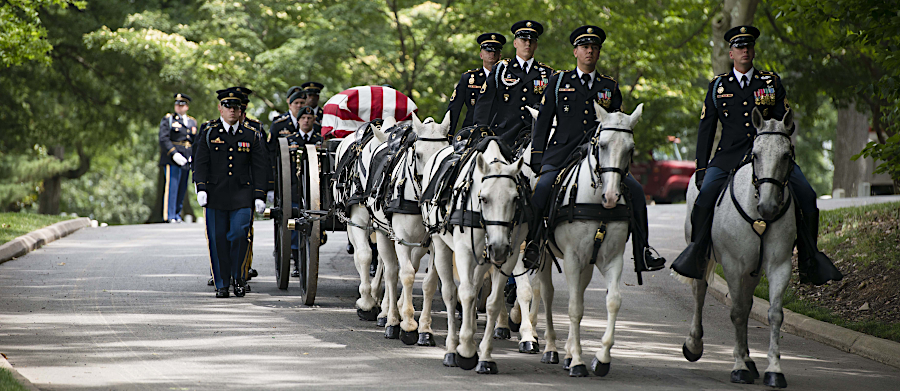
in 2025, the Caisson Detachment resumed its role in funeral services at Arlington Memorial Cemetery
Source: US Department of War, Green Berets Finally at Rest Together After Decades-Long Search (September 16, 2021)
Local horse-related organizations objected to the sale of the privately-owned Middleburg Training Center. Its 240 stalls were considered the "hub" of the Thoroughbred breeding and racing industry in Northern Virginia, and was a base for horses which were scheduled to race at Colonial Downs in New Kent County. The Virginia Equine Alliance feared the conversion of the Middleburg Training Center would force trainers to move their operations to Maryland.
The new site had three times the acreage and could accommodate up to 100 horses. The US Army had searched all over Northern Virginia for an appropriate facility for the Caisson Detachment and stayed focused on the planned purchase. It indicated the new facility would be opened to public tours, and said:13
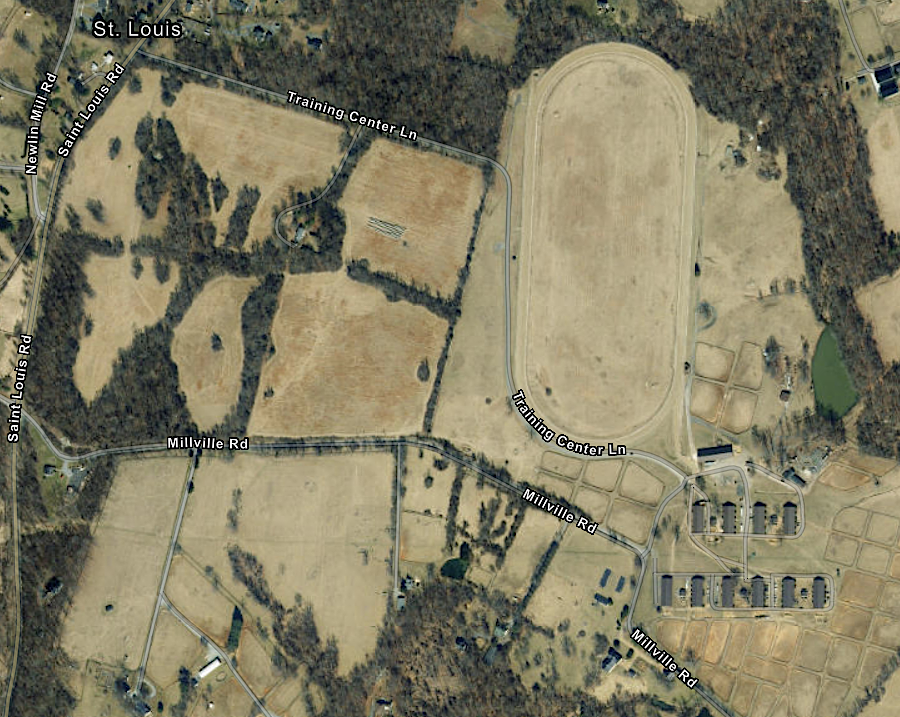
the US Army planned to purchase the Middleburg Training Center in 2026 for the Caisson Detachment that supported funerals at Arlington National Cemetery
Source: ESRI, ArcGIS Online
Horses not counted by the Census of Agriculture every year include the famous ponies at Chincoteague. The National Park Service intervenes at Assateague Island to limit breeding success in order to manage the size of the herd in Maryland. In Virginia, the horses are privately owned and live on the Chincoteague National Wildlife Refuge, under a special use permit issued by the US Fish and Wildlife Service that limits the herd to 150 animals.
Both herds live as wild horses, but the excess population of foals in Virginia are removed in the annual Chincoteague pony swim in July. Marguerite Henry made the pony penning famous with her 1947 novel, Misty of Chincoteague. Misty actually grew up in Illinois, where the author lived, but after becoming famous was returned to the island in Virginia.14
Owning horses is an expensive hobby. There are still "hunt clubs" in Virginia, where people can ride horses and chase a fox. Such clubs are concentrated in the Piedmont between Loudoun-Albemarle counties, and in the Shenandoah Valley between Clark-Rockbridge counties.
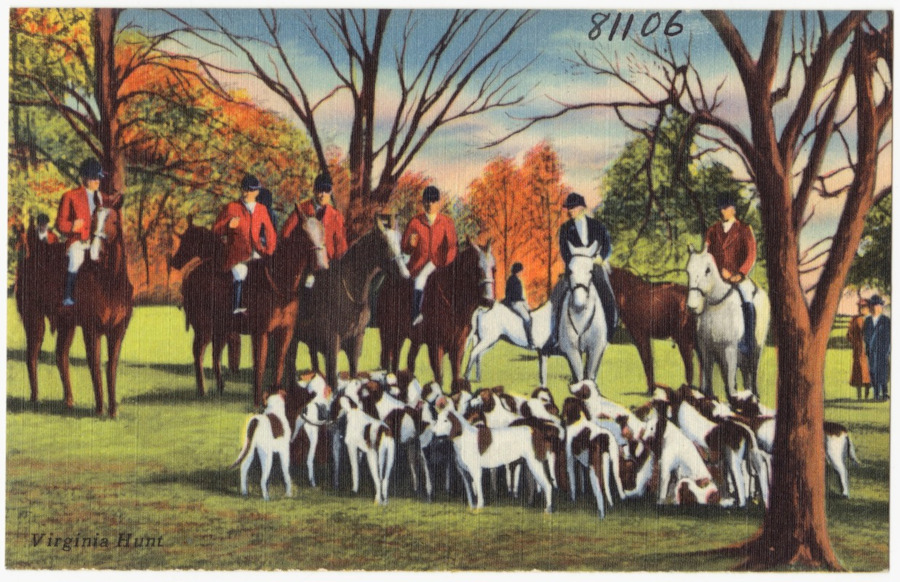
foxhunting on horses was popular until suburban houses replaced farmland
Source: Boston Public Library, Tichnor Brothers Postcard Collection, Virginia Hunt
As urbanization/suburbanization has expanded into the rural areas, former riding grounds have been converted to houses and are closed to horseback riding. Territory once used by "hunts" in Fairfax, eastern Loudoun, and Prince William counties are now subdivisions.
Some public lands are open to horseback riding, as a recreational activity. Federal agencies have limited riding on national wildlife refuges and most national parks, but the George Washington and Jefferson National Forests welcomes horseback riding on almost 1,300 miles of horse trails plus forest roads, and has campgrounds designed for backcountry trail riders.15
Today the local Battlefield Equestrian Society maintains recreational horse riding trails at Manassas National Battlefield Park, continuing a local use that existed before the park was purchased in 1940. Cavalry played a significant role in the two battles of Manassas and horses are clearly appropriate in the historical setting, but the park nearly lost its horse-mounted ranger program.

Chincoteague ponies, which live on Assateague Island, are managed by the local fire department
Source: US Fish and Wildlife Service, Chincoteague Pony by a fence at the refuge
In 1990, recreational horseback riding on that Civil War battlefield was criticized after Vice President Dan Quayle used the National Park Service's horses for his private pleasure, on a weekend when the park was closed to public use after the Federal government shut down in a budget dispute.
The National Park Service had already cancelled its plans to expand its horse training facilities at the battlefield, avoiding a public controversy regarding impacts on an historically-significant area. Use of government-owned horses was restricted to park law enforcement personnel, to reduce the perception that horses were being maintained at the park to provide special benefits to the Vice President and the Secretary of the Interior.16
Equestrian programs are included in college curricula, and there are regular competitions between schools. Southern Seminary in Buena Vista, a two-year for-profit college for women, had an especially strong equestrian program in the 1900's. For about 50 years after World War II, students dressed up horses like reindeer and paraded them through town for a Horses' Christmas event.
The school closed in 1996 due to the inability to attract enough students to cover costs. In its last years, it was called Southern Virginia College for Women and then Southern Virginia College. Members of the Church of Jesus Christ of Latter-day Saints (Mormons) purchased it and the school continues today as Southern Virginia University, but without an equestrian program.17
In 2014, one of the Virginia schools with a famous equestrian program, Virginia Intermont College in Bristol, closed due to economic difficulties. The Virginia Intermont riding program shifted to Emory & Henry College. It acquired ownership of 40 horses, associated equipment, and the facilities near Exit 10 on Interstate 81. By 2026, it advertised having a 120-acre riding center with indoor/outdoor arenas, 75+ quality school horses, and:18
In addition to Emory & Henry College, there are riding programs and equestrian clubs at Virginia Tech, the University of Virginia, Hollins University, and Randolph-Macon College. The Virginia-Maryland College of Veterinary Medicine at Virginia Tech offers an "equine track" for students interested in medicine and surgery involving horses, mules, and donkeys.19
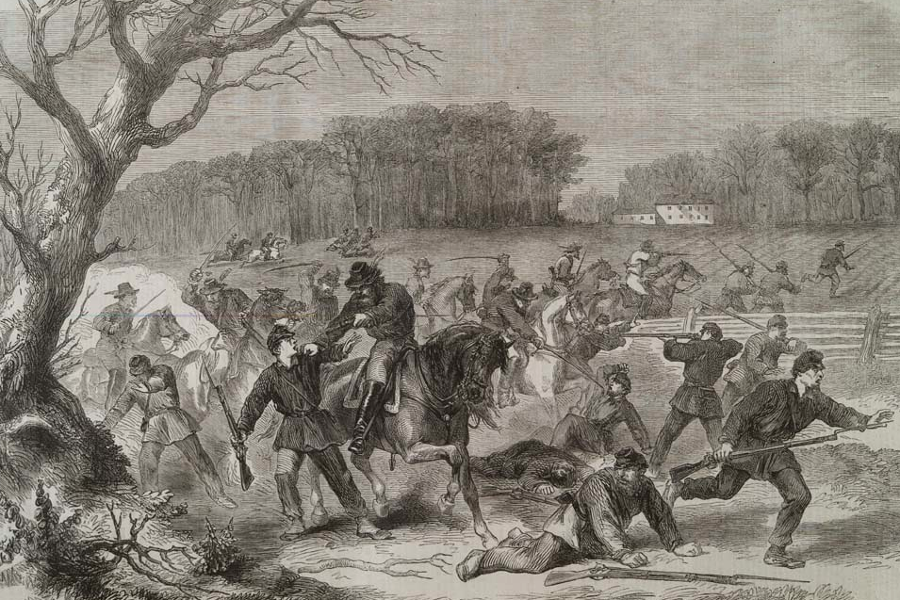
at the start of the Civil War, Confederate cavalry had better horses and riders than the Union
Source: Illustrated London News, The Civil War in America: Advanced Post of General Blenker's Division Surprised at Anandale, Virginia, by Confederate Calvary (January 4, 1862)
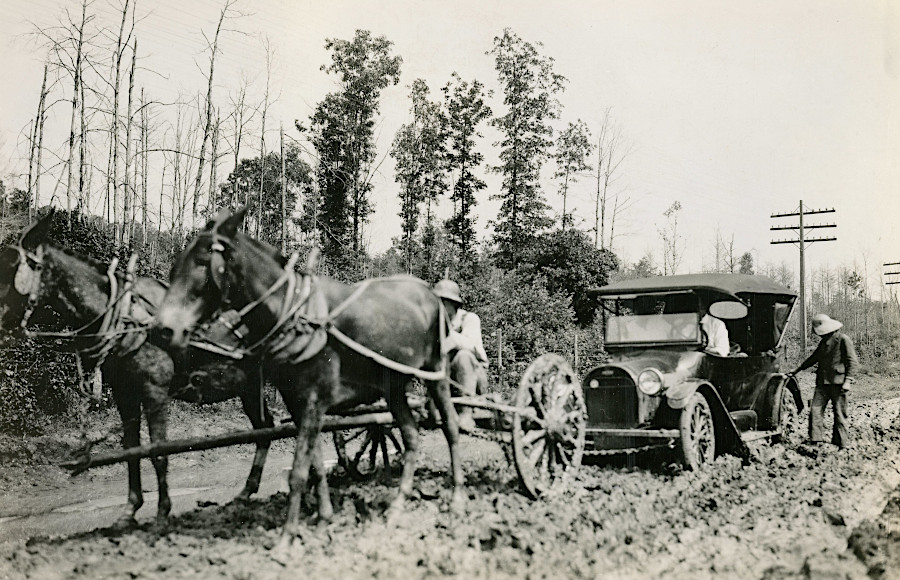
during the transition from horses to cars, local residents made money pulling vehicles through muddy spots on the unpaved road at Dumfries
Source: National Archives, Automobile Being Dragged (July 1917)
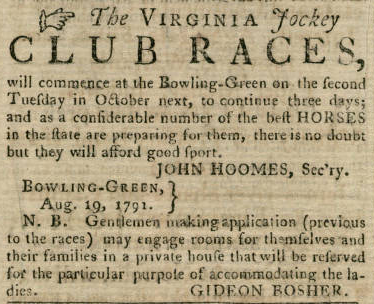
racing horses has a long tradition in Virginia
Source: University of Houston Digital Library, The Virginia Gazette and General Advertiser - Page 1. August 31, 1791
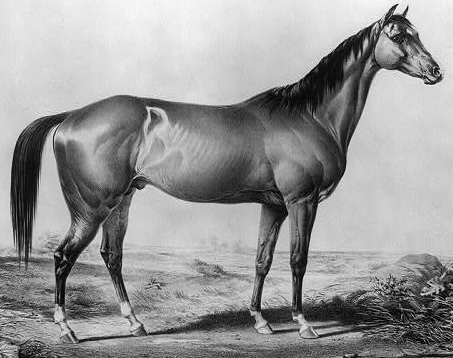
Lexington is one of many famous Thoroughbreds related to Sir Archy and Diomed
Source: Library of Congress, Celebrated horse lexington (5 yrs. old) by "Boston" out of "Alice Carneal" (1855)
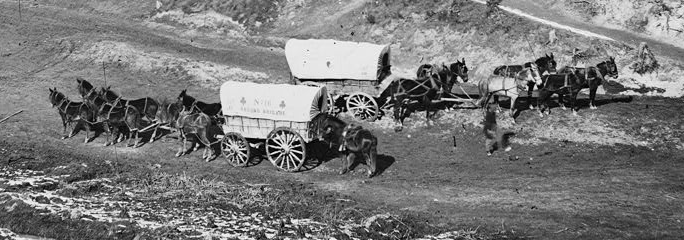
horses were the equivalent of trucks in the Civil War
Source: Library of Congress, City Point, Virginia. Supply wagons of 2d Brigade, 2d Corps
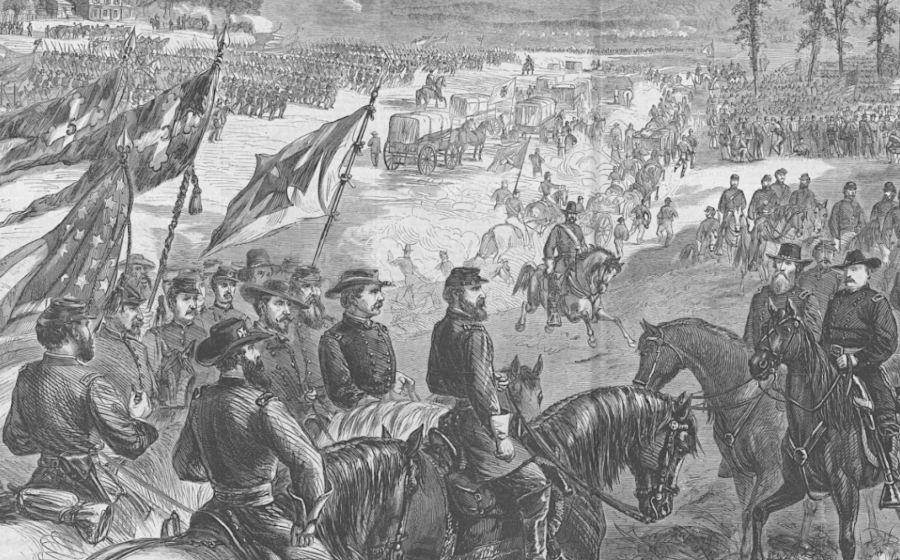
Civil War supplies, cavalry, and officers moved by horsepower, when not pulled by locomotives or transported by steamships
Source: HathiTrust, Harper's Weekly, An Advance of the Army of the Potomac (January 16 1864, p.41)
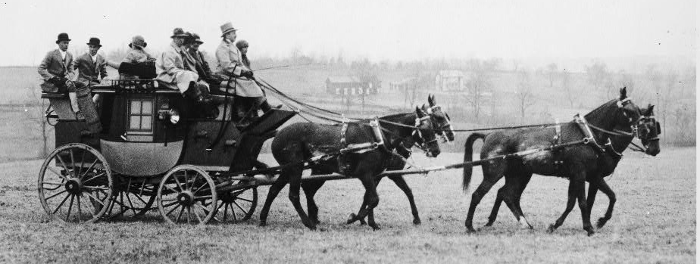
the Middleburg Hunt in Loudoun County started when two gentlemen wanted to determine if English or American foxhounds were better
Source: Library of Congress, W.P. Hulbert of Middleburg arriving with his guests for the annual cross country race for the Middleburg Hunt Cup. The 6th annual race held at Middleburg, Va. (1926)
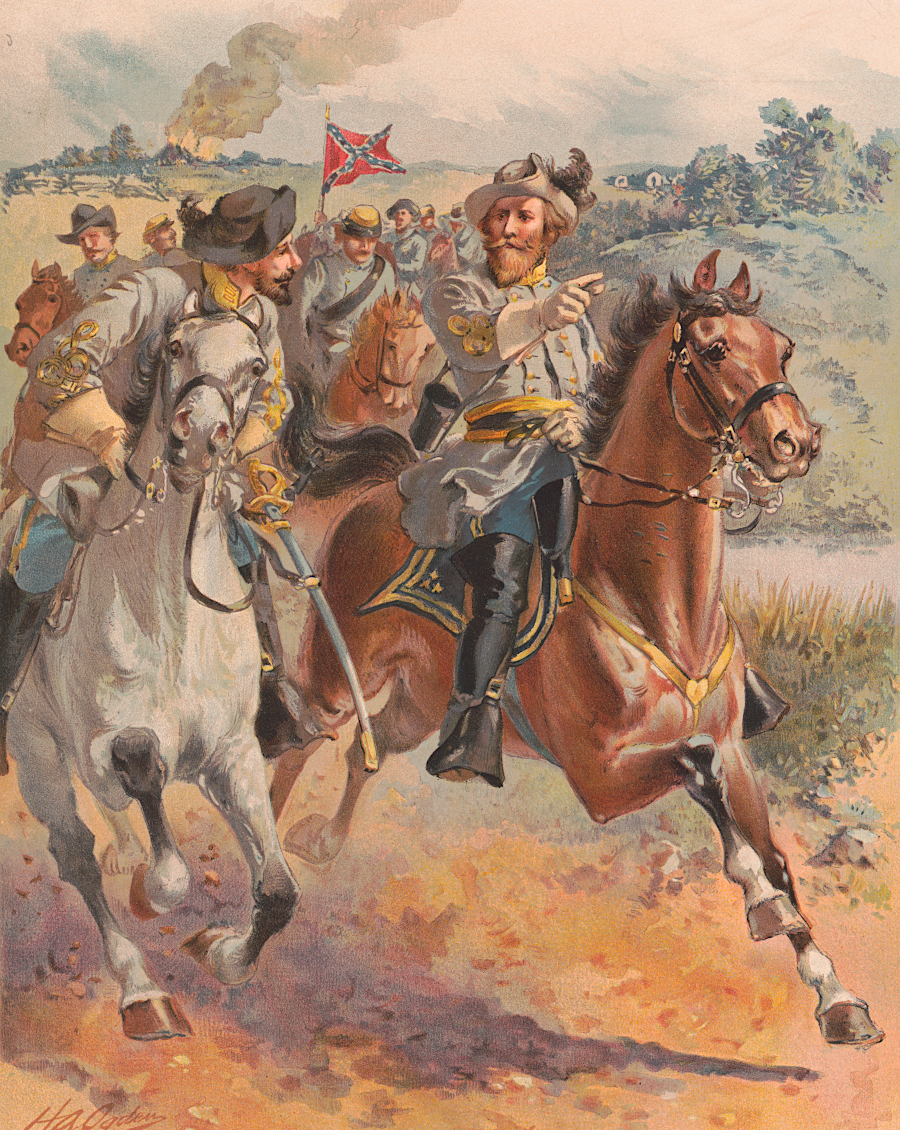
the horses and riders in the Confederate cavalry in the Civil War outclassed the Union cavalry until 1864
Source: Library of Congress, Gen. J.E.B. Stuart's raid around McClellan, June 1862 (by Henry Alexander Ogden, c.1900)
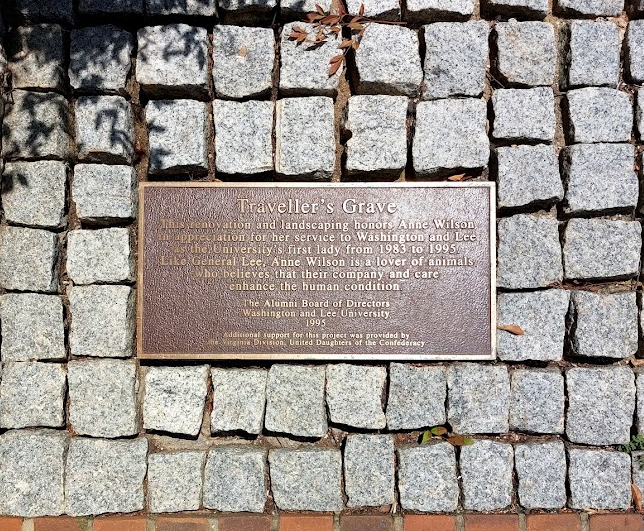
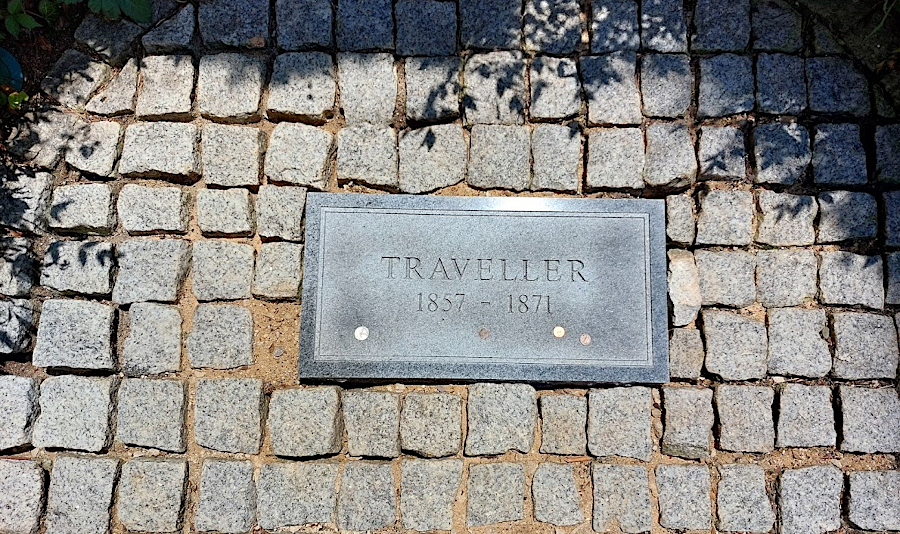
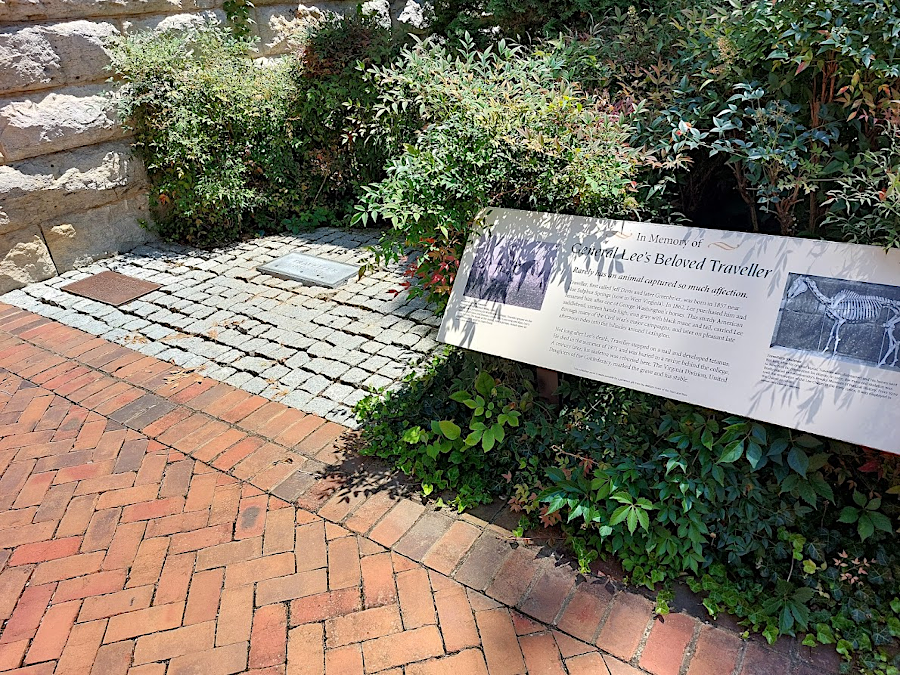
the bones of Robert E. Lee's horse Traveller lie outside the chapel where Lee is buried at Washington and Lee University