Before you graduate from George Mason University (GMU), get to know Virginia. When someone says "What was it like where you went to college?" you need a better answer than "Oh, I dunno. Traffic was miserable. Weather was hot, humidity was worse. Trees were green. I never really paid attention..."
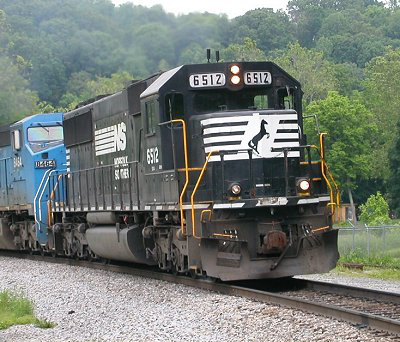
While you are at GMU, discover the unique character of Virginia. You see certain things in certain places: dark volcanic lava in Shenandoah National Park vs. river gravels on the trails of Prince William Forest Park. You'll see a threshing barn for wheat - but not a tobacco barn - at Mount Vernon. On Sunday mornings, watch out for horse-drawn buggies on the roads near Dayton in the Shenandoah Valley, and golf carts on the roads at Colonial Beach. There are coal trains, but no passenger trains, in Roanoke.
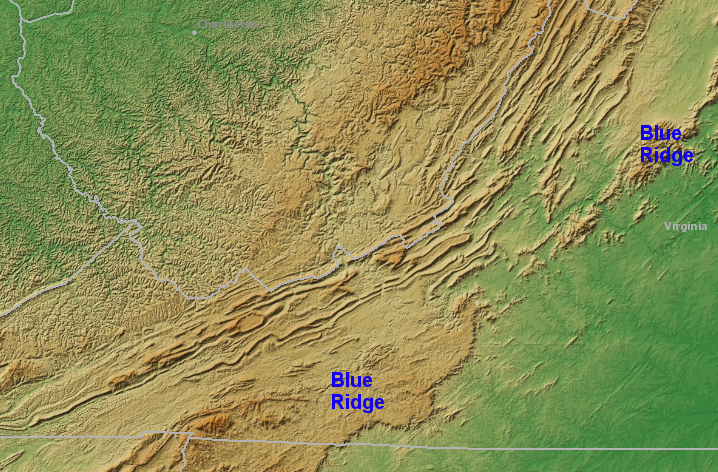
Why are there two separate-but-equal lakes at Twin Lakes State Park? Why does the Shenandoah River run north and the New River flow west, but most other Virginia rivers flow east? Be curious, ask questions, notice what is different in various places. For example, if you visit another university in Virginia, notice that most of the original academic buildings for schools east of the Blue Ridge (such as William and Mary or the University of Virginia) are made from red brick. West of the Blue Ridge (at Virginia Tech or James Madison University), you'll see white limestone structures...
Most Americans will live if several different places during in their lives. Once you develop your skills for getting the sense of Virginia, you can apply those skills to lots of other places. (Think the professionals who choose the locations for fast food restaurants, Wal*Marts, shopping malls, etc. focus on how people shop in just one state?) Get savvy about why you see things where you see them, the why of where. Don't take places for granted. The Geography of Virginia class will increase your capacity to analyze geographic patterns, to explain the story behind what you see in TV news/local newspaper articles. You'll learn how to use research sources on the Internet to make maps, access data, and discover the official government plans for the future of Virginia places.
That will prepare you to understand how the physical geography affected various military campaigns in Virginia, including the "late unpleasantness" in 1861-65. We'll look at how the capital has migrated over the years before settling in Richmond finally in 1865, and the different ways in which people define the regions of Virginia. Virginia is not homogeneous, physically or culturally, so we'll spend considerable time exploring the natural and historical resources in different regions of the state.
When we look at Virginia's political geography, we'll see what makes the whole state different from, say, Massachusetts. [Ugh, Massachusetts! The Pilgrims were latecomers, arriving 13 years after Jamestown was settled - and don't believe their propaganda about holding the First Thanksgiving. Berkeley Plantation on the James River claims that honor, along with production of the first bourbon.]
Virginia's countryside offers natural beauty for tourists and a productive agricultural base. It's hard to find a farmer in Northern Virginia now... but there are still places in Virginia where "farmer tans" outnumber "golfer tans." When you drive down the highway, pay attention to what's growing in the fields. You'll find corn, hay, and soybeans almost everywhere. - but there's "bright" tobacco growing in south-central Virginia, burley tobacco in the Southwest. Ever notice how the wineries seem to be located close to the highways - do Viognier grapes in Virginia need exhaust fumes to ripen?
The "Fall Line" determined the location of many of Virginia's initial industrial sites, but how does that relate to textile manufacturing in Danville? Why did the tiny community of Fries (pronounced "Frys" in the summer, "Freeze" in the winter) have a mill?
The geography of Virginia's solid waste is even more interesting. Trash is big business - did you know Virginia imports more garbage than all but one other state? Why does New York City ship its garbage to Berkeley Plantation, and why do politicians talk about importing garbage as a problem... but don't stop it. The Virginia is for Lovers advertisements never used landfills as a romantic background... but this Geography of Virginia class offers more than just a shallow tourist-y tour of the state.
By now, you have enough experience to predict where traffic jams will occur in Northern Virginia - but can you identify if Tyson's Corner really will morph into a mixed use community over the next 20 years, with housing and parks as well as office buildings? Would you invest your money in that planned transformation, as some major corporations (and the taxpayers of Fairfax County) are doing? Can you select the next place in Virginia that ought to become a state park? Can you identify a 1950's subdivision where split-level homes ought to be preserved as an architectural/historical site, or a 1970's townhome development with vinyl siding that should be protected as a historical district?
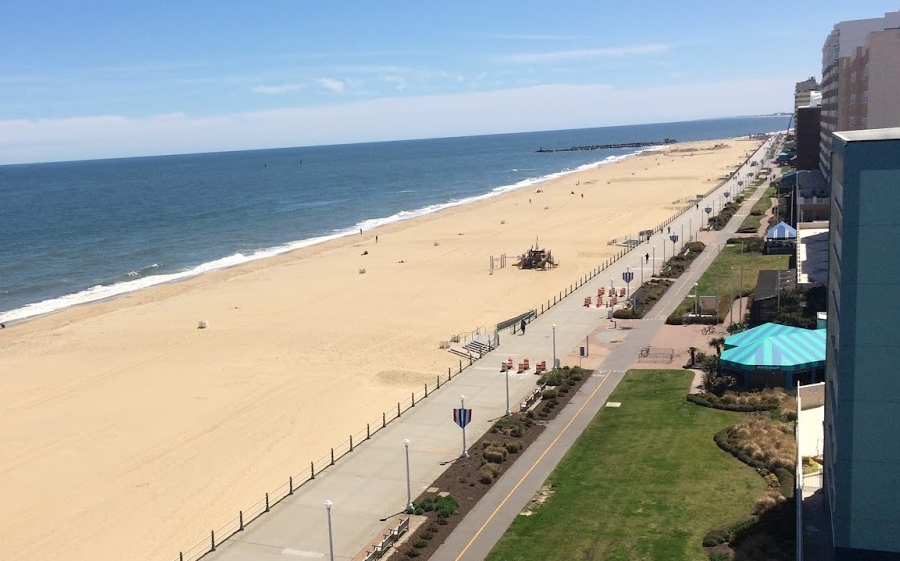
Can you predict where the next bridge across the Potomac River will be constructed? Will improved passenger rail really make a significant difference in how places grow? (Will Norfolk/Virginia Beach thrive even if plans for a high speed rail connection never get implemented - and will Leesburg fade in importance, because Metrorail's Silver Line will trigger a new "edge city" around Dulles Airport?) Do you predict more and more highway construction once the economy recovers - or will a taxpayer revolt against highway subsidies bring 60 years of sprawling suburban development to an end?
|
Class Objectives: When we're finished after the last class and as you travel around Virginia, you'll be able to answer "OK, so just why is this here?" and describe the:
This class will open a window for you to understand regional geography, by exploring variety of aspects about one state. We will examine physical, historical, transportation, political, sectional, and transportation geography related to Virginia. You will gather, process, and utilize information - and you will need to use than one discipline. You can apply what you learned in biology, earth science, history, governments, economics, and other classes back in high school as well as in college to discover the why of where. At the end of this course, you'll be able to integrate information from different disciplines to answer the question, "What makes Virginia special?" |
![]() Falls of the Little River (Floyd County) |
|
![]() Mabry Mill on Blue Ridge Parkway (perhaps the most-photographed place in Virginia) |
|
This is an online class - there are no required trips to campus. There's no need to fight traffic, find a parking space, or worry about forgetting the umbrella. You can learn the material and take the quizzes/exam in the morning, with a cup of coffee and while still wearing your pajamas - or late at night, with a bottle of your favorite beverage in front of you.
Most of the course content will be on the Class Schedule on the Virginia Places website, with links to other resources on the Internet or Blackboard. Each week, you'll explore different maps and news articles related to specific Virginia places and/or geographic themes (such as water pollution). Each week, a video will provide visual context so you can see more clearly what the instructor is babbling about. The videos were generated a decade ago, and they won several awards in their day. They're still useful, but pay attention to the "what's changed since the video was finished" updates in the weekly assignments. Class interaction is primarily through e-mail with the instructor and with other students via the class blog on Blackboard. Your comments and contributions to the blog are encouraged, and rewarded through the grading system for the class. The blog is private, so only the instructor and fellow students in the class will be able to see the discussions/photos that you post on the blog. Geography is a get-out-and-see-it exercise; you can't just sit in one place and click your way to geo-wisdom. Since this is an online class, generating site visits requires some creative adjustments. There are 10 assigned field trips to examine places near where you live or work. Site visit logistics are simple: you choose the time and place to visit, and you go when it is convenient to you. Be more than a tourist; look at the site as a Virginia geographer. Use the material in this class to enhance your understanding of what you are seeing during the field trip. To earn credit, you will complete a short report to document the field trip. For additional interaction, there will be optional field trips and in-person review sessions each month. These meetings offer an opportunity to clarify your understanding of Virginia, elaborate on your ideas, and to explore in more depth topics of particular interest. The first "get together," for introduction more than review, will be Tuesday, September 6 on the Fairfax campus (Room 162, Research Hall). You can come in the afternoon anytime between 3:00-4:00pm, or in the evening anytime between from 6:30-7:30pm. Feel free to stop in, say hello, get a question or two answered, and then move on to the next event in your busy day - or spend an hour talking about Virginia, if you have the time. In addition, three half-day field trips are scheduled. These are OPTIONAL, but you can earn extra credit. The field trips provide an opportunity to go beyond being a tourist, and practice looking at Virginia places with the perspective of a geographer. In addition, the instructor is available almost every week to meet on campus or at other, more convenient locations. The course content is online, so there is great flexibility in when you choose to learn, but face-to-face discussion is also encouraged. |